
Blog
Practical RV tips, travel ideas, and stories to help you care for your RV and enjoy the journey.
Blog
Practical RV tips, travel ideas, and stories to help you care for your RV and enjoy the journey.
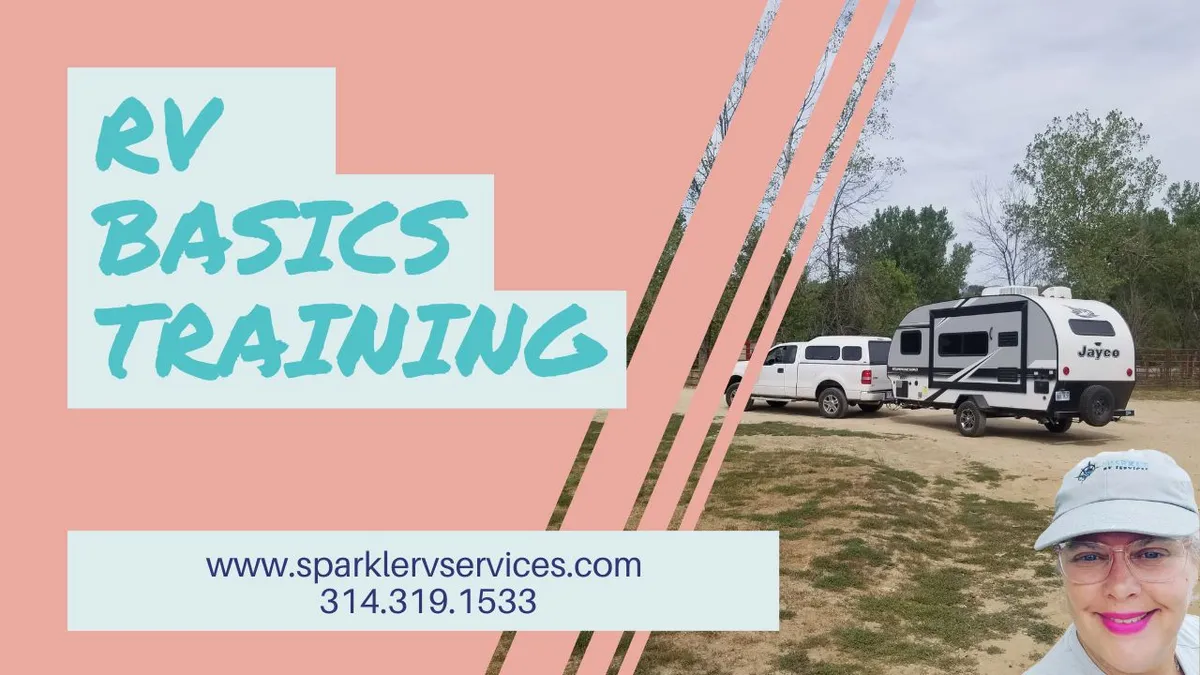
RV Basics – Electric
RV electrical systems can feel intimidating at first, but once you understand the basics, they’re much easier to manage. Knowing how your RV’s electrical system works helps you stay safe, avoid common problems, and make smarter decisions when camping, boondocking, or plugging in at home.
Electrical Terms Made Simple
Before diving into RV systems, let’s translate the big three electrical terms into real-world concepts.
Volts (V or E) – Pressure
Voltage is the pressure pushing electricity through a wire.
Higher voltage = more push
In RVs, you’ll mainly deal with 120 volts AC and 12 volts DC
Amps (A or I) – Flow
Amps measure the amount of electricity flowing, similar to how much water is moving through a pipe.
Watts (W or P) – Power
Watts tell you how much power an appliance actually uses.
Simple formula:
Watts = Volts × Amps
Example:
A 120V microwave using 10 amps = 1,200 watts
The Two Electrical Systems in Your RV
Most RVs use two separate electrical systems that work together:
1. 120-Volt AC Power (Household Power)
This is the same type of power used in your home.
Used for:
Air conditioner
Microwave
Wall outlets
Residential refrigerator (if equipped)
Some water heaters
Power sources:
Shore power (plugging into an RV pedestal or house outlet)
Generator
Inverter
2. 12-Volt DC Power
This system runs off your RV batteries and RV power converter.
Used for:
Interior lights
Water pump
Furnace blower
Control boards for appliances
Slide-outs and leveling systems
USB ports
Even when plugged into shore power, your RV still relies on the 12V system to operate many essential functions.
Power sources:
Power Converter (converts 120V to 12V power)
Solar
Common RV Plug Types
30 amp service = up to 3,600 watts, Common in travel trailers and smaller motorhomes
50 amp service = up to 12,000 watts, Found in larger RVs with multiple air conditioners
⚠️ Using adapters is common, but power availability decreases when stepping down to smaller outlets.
The Converter: AC to DC Power
Your RV converter:
Takes 120V AC power
Converts it to 12V DC power
Powers your 12V systems
Charges your house batteries
If your lights flicker or batteries won’t stay charged when plugged in, the converter is often the culprit.
The Battery Bank
Your house or coach batteries store 12 volt power.
Common Battery Types
Lead-Acid Batteries
(Includes flooded, AGM, and gel batteries)
✅ Advantages
Lower upfront cost
Lead-acid batteries are significantly cheaper to purchase, making them appealing for beginners or budget-minded RVers.Widely available
Easy to find at auto parts stores, RV dealers, and big-box retailers.Simple charging requirements
Compatible with most factory RV converters and charging systems.AGM options available
AGM batteries offer spill-proof operation and less maintenance than flooded batteries.
❌ Disadvantages
Limited usable capacity
Only about 50% of capacity is safely usable without shortening battery life.Shorter lifespan
Typically last 2–5 years, depending on use and care.Heavy and bulky
Lead-acid batteries are heavy and take up more space.Maintenance required (flooded types)
Require regular water checks and proper ventilation.Slower charging
Take longer to recharge, especially when using generators or solar.
Lithium (LiFePO₄) Batteries
✅ Advantages
High usable capacity
Up to 80–100% of the battery’s capacity can be safely used.Long lifespan
Often last 8–15 years or thousands of charge cycles.Lightweight and compact
Much lighter than lead-acid batteries with the same capacity.Fast charging
Recharge much faster—ideal for solar and generator use.Maintenance-free
No watering, no off-gassing, and no corrosion.Consistent power output
Voltage stays steady until the battery is nearly empty.
❌ Disadvantages
Higher upfront cost
Lithium batteries cost more initially, even though they often cost less over time.Charging system compatibility
May require upgrades to converters, solar controllers, or inverters.Cold-temperature limitations
Most lithium batteries should not be charged below freezing unless equipped with internal heating.More complex system design
Built-in battery management systems (BMS) are reliable but add complexity.
Which Battery Is Right for Your RV?
Lead-acid batteries may be best if:
You camp mostly at RV parks with hookups
You have minimal power needs
You want the lowest upfront cost
You don’t mind maintenance
Lithium batteries are ideal if:
You boondock or camp off-grid
You rely on solar power
You want lighter weight and longer lifespan
You plan to RV long-term or full-time
Battery power runs out, so monitoring battery voltage and state of charge is essential—especially when boondocking.
Inverter: DC to AC Power
An inverter does the opposite of a converter:
Takes 12V battery power
Converts it to 120V AC power
This allows you to run household-style outlets without being plugged in—but it drains batteries quickly.
Not all RVs come with inverters, and many only power select outlets.
Breakers, Fuses, GFCI & Electrical Safety
Your RV uses multiple layers of electrical protection to keep wiring, appliances, and people safe. Knowing where these are—and what they do—can save time and prevent damage.
Circuit Breakers (120V AC)
Protect AC electrical wiring and appliances
Located in the RV power distribution panel
Function much like breakers in a house
Trip when circuits are overloaded or shorted
Common causes of tripped breakers:
Running too many high-draw appliances at once (AC, microwave, space heater)
Faulty appliances
Poor campground power
Fuses (12V DC)
Protect DC wiring and 12-volt components
Commonly located:
Near the power converter
In the battery compartment
In fuse panels inside the coach
Blow when a circuit draws too much current
If a 12V item stops working suddenly—lights, water pump, furnace—check the fuse first.
GFCI Outlets (Ground Fault Circuit Interrupter)
Protect people from electric shock
Monitor current flow and shut off power instantly if a fault is detected
Required in areas where moisture is present
Common GFCI locations in an RV:
Bathroom
Kitchen
Exterior outlets
Basement or utility compartments
One tripped GFCI can disable multiple outlets downstream.
Tip:
If outlets stop working but breakers are fine, check and reset the GFCI.
Electrical Safety Rule of Thumb
If something suddenly stops working:
Check GFCI outlets
Check breakers (120V)
Check fuses (12V)
Safe Operation: What Every RVer Should Do
Surge Protector or EMS
Always use a surge protector or electrical management system (EMS):
Protects against high/low voltage
Detects reverse polarity
Prevents damage from faulty campground wiring
Plugging In Safely
Turn pedestal breaker OFF
Plug in RV cord
Turn breaker ON
Verify power before use
Inspection & Maintenance Checklist
Regular checks can prevent failures and dangerous conditions.
Inspect These Areas Often
Electrical panel and breakers
GFCI outlets (test monthly)
Power cord and plug ends
Batteries (connections, corrosion, voltage)
⚠️ Hot Skin: A Serious Electrical Hazard
Hot skin occurs when the metal exterior of your RV becomes energized.
Causes of Hot Skin
Reverse polarity at campground pedestal
Improper ground/neutral bonding
Faulty wiring inside the RV
A hot wire contacting exterior metal (like a loose screw)
Why It’s Dangerous
You can receive a severe shock stepping into or out of the RV
Pets are especially vulnerable
Prevention
Always use a surge protector or EMS
Test outlets and pedestals
Address electrical issues immediately
Final Thoughts
Understanding RV electrical basics empowers you to travel with confidence, troubleshoot small issues, and protect your RV investment. You don’t need to be an electrician—but knowing how the systems work together goes a long way.
Sparkle Travel & RV Services helps RV owners understand their systems before problems happen. If you’re new to RVing or preparing to buy, our inspections and owner education can help you avoid costly electrical surprises.

KEEP YOUR RV ON THE ROAD FOR YOUR ADVENTURES
Practical RV Help for Your Next Adventure.
Practical RV Help for Your Next Adventure.
GET IN TOUCH
Tell Us How We Can Help?
Get help from Teresa, an NRVIA Certified RV Inspector and RVTAA Registered RV Technician.
Tell us about your RV and what you need help with. Whether you’re planning an inspection before purchase, caring for your RV, or learning to use or drive it, we’ll help you identify the right next step.
St Louis, MO
Fenton, MO
Arnold, MO
Imperial, MO
High Ridge, MO
Eureka, MO
Pacific, MO
Union, MO
St Charles, MO
Granite City, IL
Edwardsville, IL
Wentzville, MO
Collinsville, IL
Belleville, IL
Festus, MO
Pevely, MO
O’Fallon, MO
Bonne Terre, MO
Kansas City, MO
Indianapolis, IN
Chicago, IL
Memphis, TN
Louisville, KY
Our Service Area
Based in St. Louis, we serve nearby communities and offer extended RV inspection and travel services in our listed service areas. Tell us where your RV is located so we can confirm availability.
View Our Service AreaSend Message
LET'S TALK
Not Sure Where to Start?

Book a 15-minute RV Clarity Call to talk through your questions. Whether you’re buying, maintaining, or learning to use your RV, we’ll help you understand your options and choose your next step—without pressure.
This is a short, no-pressure call to help you decide your next best step, not a full consultation.
What to Expect on Your Call:
A quick check-in about your current RV needs
Clear guidance on your best next step
Referral to the right Sparkle service (if it’s a fit)
Zero pressure to book anything

Sparkle Travel & RV Services helps you buy, maintain, and enjoy your RV with confidence through inspections, mobile maintenance, and practical RV education.
Sparkle Travel & RV Services helps you buy, maintain, and enjoy your RV with confidence through inspections, mobile maintenance, and practical RV education.
Latest Blogs

21 June, 2023
"Lorem ipsum dolor sit amet, consectetur adipiscing elit. Sed do eiusmod tempor incididunt ut labore et dolore magna aliqua"
22 June, 2023
"Lorem ipsum dolor sit amet, consectetur adipiscing elit. Sed do eiusmod tempor incididunt ut labore et dolore magna aliqua"
Business Hours
Monday - Sunday
9:30 AM - 6:00 PM


Our Services
Latest Blogs
21 June, 2023
"Lorem ipsum dolor sit amet, consectetur adipiscing elit. Sed do eiusmod tempor incididunt ut labore et dolore magna aliqua"
22 June, 2023
"Lorem ipsum dolor sit amet, consectetur adipiscing elit. Sed do eiusmod tempor incididunt ut labore et dolore magna aliqua"
Areas We Serve
St Louis, MO
Fenton, MO
Arnold, MO
Imperial, MO
High Ridge, MO
Eureka, MO
Pacific, MO
Union, MO
St Charles, MO
Granite City, IL
Edwardsville, IL
Wentzville, MO
Collinsville, IL
Belleville, IL
Festus, MO
Pevely, MO
O’Fallon, MO
Bonne Terre, MO
Kansas City, MO
Indianapolis, IN
Chicago, IL
Memphis, TN
Louisville, KY
Latest Blogs
21 June, 2023
"Lorem ipsum dolor sit amet, consectetur adipiscing elit. Sed do eiusmod tempor incididunt ut labore et dolore magna aliqua"
22 June, 2023
"Lorem ipsum dolor sit amet, consectetur adipiscing elit. Sed do eiusmod tempor incididunt ut labore et dolore magna aliqua"
© 2022-2026 Sparkle Travel & RV Services ● All rights reserved ● Privacy Policy ● Terms of Service
Website created and maintained by RV Surge™
Get In Touch
Contact Us Today for a Free Estimate!
Our RVTI-certified RV technicians
are here to help.
From minor repairs to major bodywork, we’ll assess the damage and provide a transparent, no-pressure estimate so you can plan with confidence.
Get In Touch
Lorem ipsum dolor sit amet, consectetur.Lorem ipsum dolor sit amet.
"Lorem ipsum dolor sit amet, consectetur adipiscing elit. Sed do eiusmod tempor incididunt ut labore et dolore magna aliqua"
St Louis, MO
Fenton, MO
Arnold, MO
Imperial, MO
High Ridge, MO
Eureka, MO
Pacific, MO
Union, MO
St Charles, MO
Granite City, IL
Send Message
